
Nutrition Curriculum
Nutrition in Medicine: A Four-Year Integrated Curriculum
The Whiddon College of Medicine equips future physicians to combat chronic disease through a comprehensive nutrition curriculum. By integrating foundational science with hands-on clinical application, we ensure our graduates are prepared to address the unique health challenges of the Gulf Coast region.
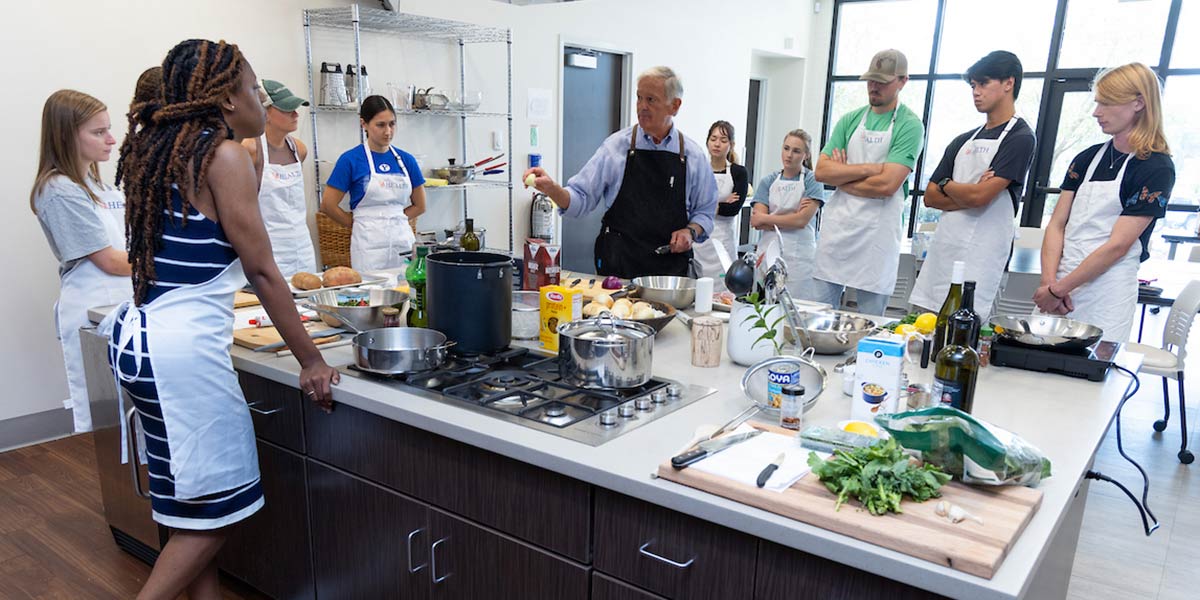
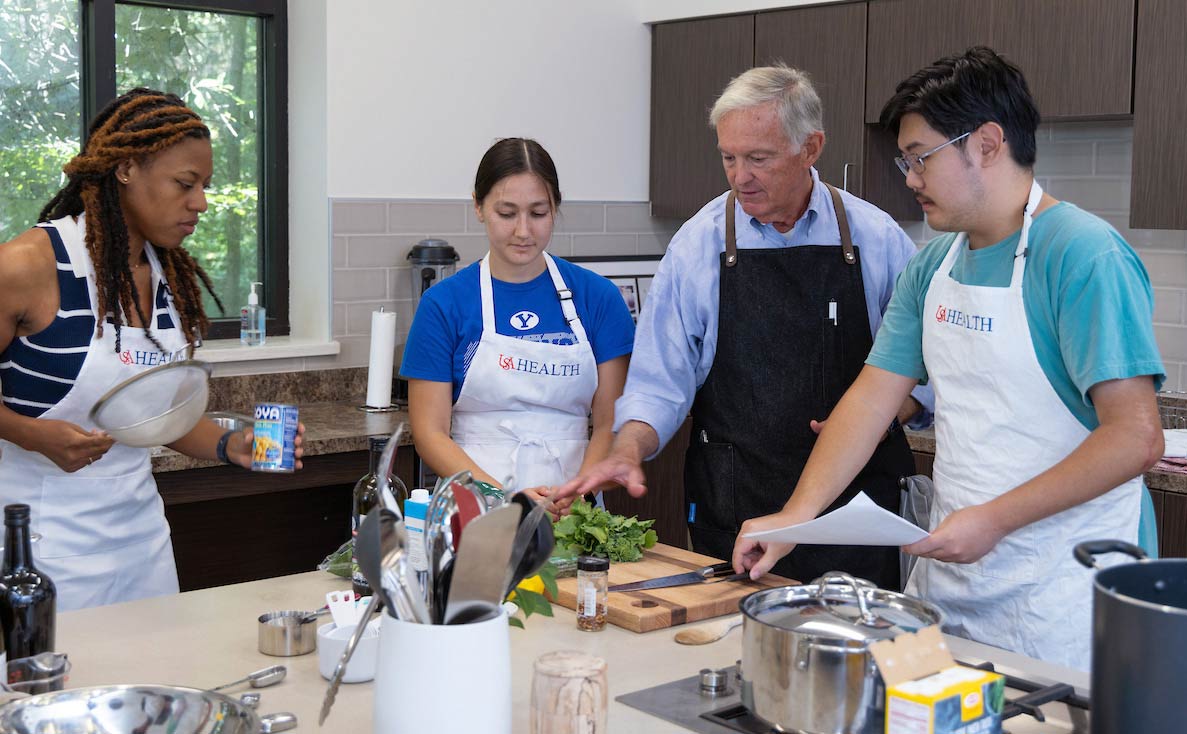 The Whiddon Advantage: Culinary Medicine
A cornerstone of our program is hands-on culinary medicine training. In our dedicated teaching kitchen, students bridge the gap between biochemistry and the dinner table, learning to translate complex nutritional science into practical, patient-centered meal planning.
Curriculum at a Glance
- Pre-Clerkship: Building the Foundation
- Science: Mastery of metabolic mechanisms, energy balance, and the pathophysiology of obesity, diabetes, and cardiovascular disease.
- Skills: Hands-on training in nutritional assessment, growth evaluation, and motivational interviewing.
- Experiential: Early immersion in culinary medicine to practice evidence-based healthy meal preparation.
- Clerkship: Clinical Application
- Inpatient & Outpatient: Managing diet-related conditions across specialties, including Pediatrics, OB/GYN, and Surgery.
- Management: Integrating lifestyle modification with pharmacologic and surgical interventions.
- Specialized Care: Assessing perioperative nutrition, enteral/parenteral needs, and bariatric patient
management.
- Electives: Advanced Lifestyle Medicine
- Fourth-year students can dive deeper into Lifestyle Medicine, critically appraising literature on the gut microbiome, inflammation, and specialized
dietary patterns (DASH, Mediterranean, Ketogenic).
- Fourth-year students can dive deeper into Lifestyle Medicine, critically appraising literature on the gut microbiome, inflammation, and specialized
dietary patterns (DASH, Mediterranean, Ketogenic).
Our Goal: To produce physicians who have the clinical reasoning, communication skills, and confidence to improve long-term health outcomes in the communities they serve.